Hello and welcome to the details of Iran brings war to Gulf’s doorstep with missile strikes on US allies, escalating conflict and hardening US-Arab alliance and now with the details
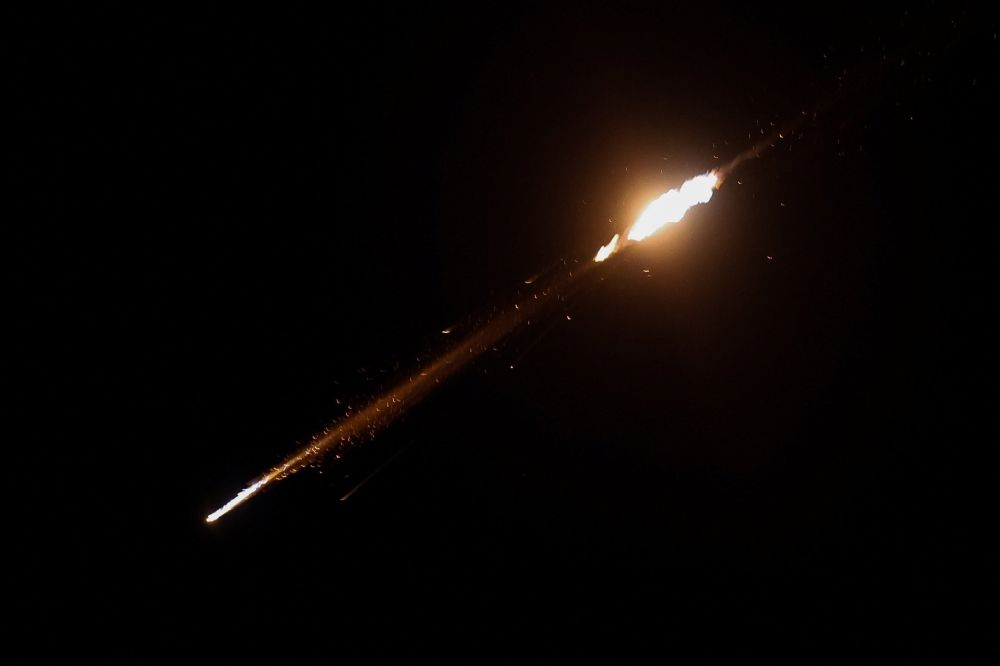
Nevin Al Sukari - Sana'a - A missile launched from Iran is intercepted, after Israel and the U.S. launched strikes on Iran, in Jerusalem, February 28, 2026. — Reuters pic
- Iran brings war to Gulf’s doorstep; missiles fly over cities
- Iran “internationalises battlefield”, Gulf sources say
- Strikes target US allies, raising cost for backing Washington.
- Miscalculation can escalate conflict to open regional war
Dubai, March 1 — Thunderous blasts and towering fireballs from Iranian missiles streaking across Gulf states vindicated their leaders’ long-held fears that Tehran can bring war to their doorstep, likely to harden Arab rulers’ support for US-Israeli strikes.
Even in the Palm, Dubai’s swankiest resort, explosions rattled buildings and hit a luxury hotel, sending panicked residents running for cover as missiles and interceptors tore across the sky. It was a stark sign that the conflict had spilled beyond Iran’s borders — just as Tehran had warned it would.
“What has now been proven is that we — not the United States — are in the line of fire,” said Dr Ebtesam Al-Ketbi, President of the Emirates Policy Centre. “When Iran struck, it struck the Gulf first under the pretext of targeting US bases.”
Analysts say Iran’s strikes on Gulf countries are meant to demonstrate that no US ally in the region is beyond reach, and to raise the cost of backing Washington’s campaign.
“The danger is that any miscalculation could push the region from an exchange of signals into an open war,” added al Ketbi.
Smoke rises from the direction of the US naval base after the state news agency reported missile attack on the service center of the US Fifth Fleet, following strikes by the United States and Israel against Iran, in Manama, Bahrain February 28, 2026, in this screengrab obtained from a social media video. — Social media pic via Reuters
‘Existential’ war
Gulf sources say that by targeting oil-rich Gulf states, Tehran is “internationalising the battlefield” and threatening global oil flows, not just regional security.
For fast-growing economies such as Saudi Arabia, Qatar and the United Arab Emirates — dependent on open airspace, secure shipping lanes and trade — a broader conflict would be deeply disruptive.
In framing the war as a push for regime change in Iran, Trump has made it existential, raising the risk that Tehran lashes out, said Mohammed Baharoon, director-general of the Dubai Public Policy Research Centre (B’huth).
“If Iran miscalculates and carries out an act of war against Gulf Cooperation Council countries, the conflict will change fundamentally. People can’t stand by while lives are being lost and assets destroyed and do nothing.”
Gulf analyst Abdelkhaleq Abdulla said Iran was making a strategic mistake by targeting its closest neighbours.
“It is foolish of Iran to alienate the people nearest to it,” Abdulla said. “Tehran may believe it is targeting US military bases, but Gulf states see this as a blatant act of aggression — a violation of their sovereignty and an attack on their land.”
In indirect US-Iran talks in recent weeks aimed at averting war, Tehran agreed to discuss its nuclear programme but insisted its ballistic missiles and support for regional militias were off the table, sources close to the talks said.
Iran has indicated that any discussion about its missiles and its allied militias take place only in a regional framework, without Washington, the sources said.
But the Gulf Arab states — longtime US partners which have previous experience of being targets of attacks by Iran and its proxies — argue that sidelining Washington would weaken, not stabilise the region’s security architecture.
From the Gulf perspective, Iran’s missile arsenal and its proxies pose direct threats. Tehran floated a regional security forum without US participation, but Gulf states saw little traction without external security guarantors.
“The implications are huge for Saudi Arabia and the Gulf,” said one source close to government circles. “All US allies in the region are now united against Iran.”
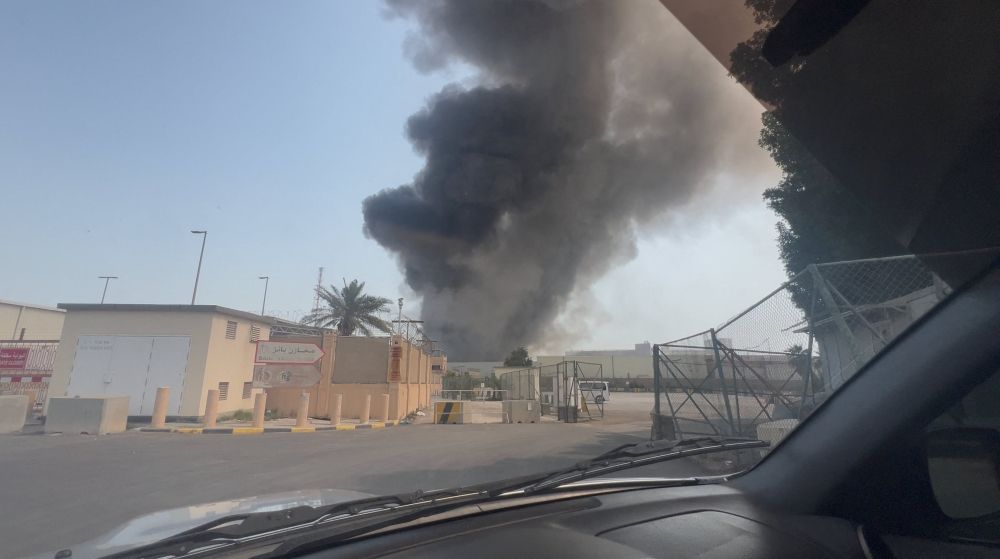
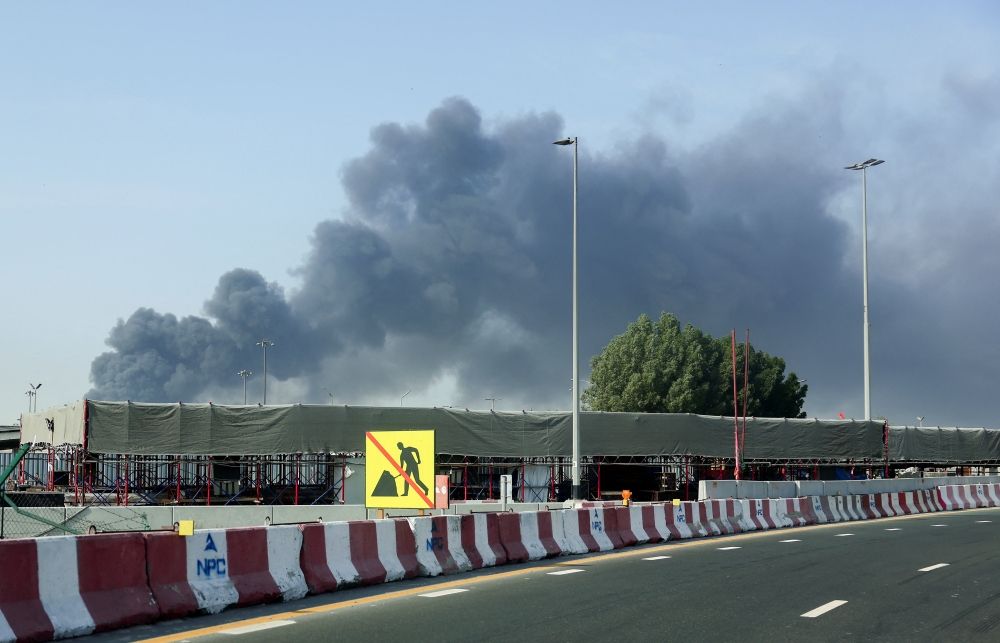
Smoke billows from Jebel Ali port after an Iranian attack, following United States and Israel strikes on Iran, in Dubai, United Arab Emirates, March 1, 2026. — Reuters pic
Trump raises the risk
Paul Salem of the Middle East Institute noted that Trump’s message has shifted sharply. While just days ago he framed potential US strikes as leverage to push Iran toward a nuclear deal, his speech announcing them openly called for regime change.
In contrast to the massive 2003 US ground invasion of Iraq, Trump appears to be betting on a short, decisive campaign that delivers visible results within days or weeks, limits US casualties and contains domestic political risk.
The calculation is that a quick success would be politically advantageous, while a prolonged conflict — especially one that disrupts oil markets or the wider economy — could prove costly.
While the Bush administration spent months building a legal and political case and deployed some 300,000 troops in a ground invasion that led to years of occupation, Trump has opted for a limited campaign of air strikes.
But if the conflict spreads — drawing in US bases, embassies, energy infrastructure or the world’s most vital oil shipping route through the Strait of Hormuz — the economic and political risks would rise sharply for the United States, the Gulf and global markets. — Reuters
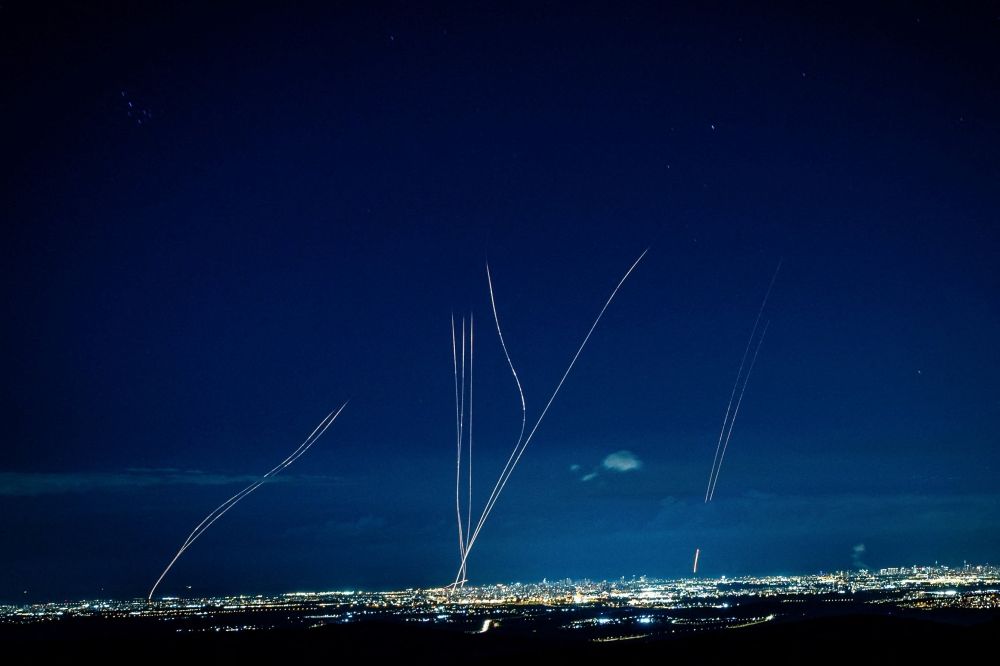
Interceptions attempt after Iran launched missiles into Israel, following Israeli and US strikes on Iran, in central Israel February 28, 2026. — Reuters pic
These were the details of the news Iran brings war to Gulf’s doorstep with missile strikes on US allies, escalating conflict and hardening US-Arab alliance for this day. We hope that we have succeeded by giving you the full details and information. To follow all our news, you can subscribe to the alerts system or to one of our different systems to provide you with all that is new.
It is also worth noting that the original news has been published and is available at Malay Mail and the editorial team at AlKhaleej Today has confirmed it and it has been modified, and it may have been completely transferred or quoted from it and you can read and follow this news from its main source.