
Hello and welcome to the details of Anger mounts in Senegal over China firm Softcare after claims of expired materials in sanitary pads and now with the details
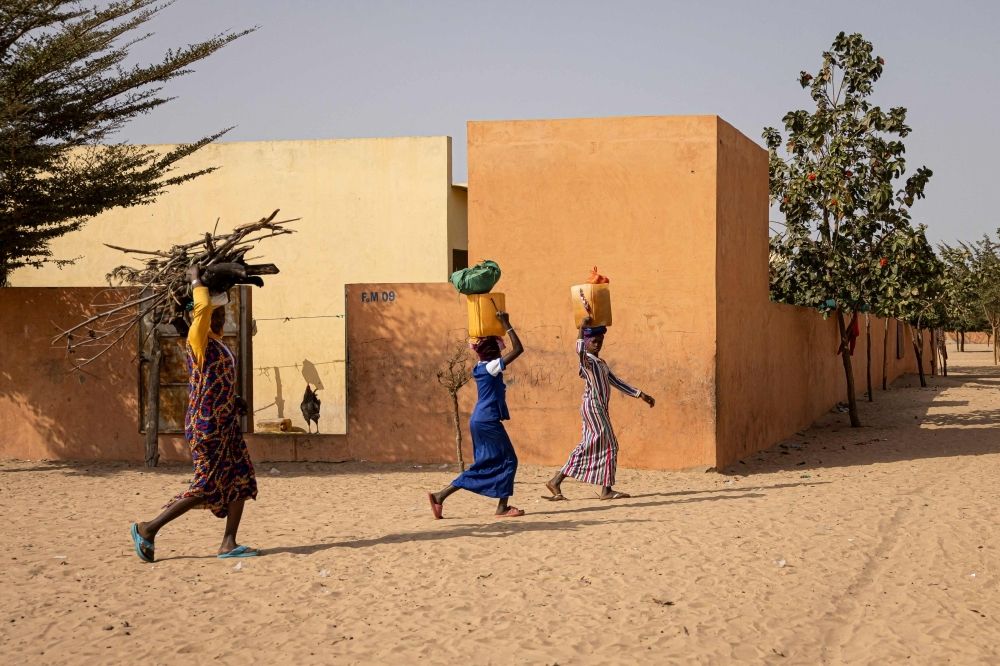
Nevin Al Sukari - Sana'a - Public anger has grown across West and Central Africa, where access to safe menstrual products remains limited and where similar complaints emerged in Cameroon last year. — AFP pic
DAKAR, Feb 4 — Anger is mounting in Senegal over the alleged use of expired materials in sanitary pads and diapers by a leading Chinese firm, which denies any wrongdoing or bribery.
The west African country’s pharmaceutical regulator late last year accused Softcare of possessing some 1,300kg of expired and unsuitable raw materials, including polyethylene film, for use in its products.
The Senegalese Pharmaceutical Regulatory Agency (ARP) in early December asked Softcare to withdraw the goods in question from the market until the manufacturing process is “brought into compliance”.
This followed an inspection at Softcare’s Senegalese factory.
However, eight days later, the regulator’s director said documents provided by Softcare showed “expired raw materials were not incorporated into the production process”.
But the inspectors stood by their findings and reports began circulating on social media that the products were making people itch.
Softcare denies the use of expired or unsuitable materials.
At a January rally near the health ministry attended by several dozen people, opposition MP Guy Marius Sagna accused the health minister of not reacting to the scandal for three weeks.
“Enough is enough!” Sagna said, while those present also spoke of the “complicit” and “unacceptable” silence of the authorities.
‘Irritation, itching, infection’
In west and central Africa, many women and girls struggle to access quality menstrual products.
Softcare is a subsidiary of the Chinese group Sunda International, which sells products in more than 30 countries across the globe, including a dozen in Africa, where it has operated since 2009.
It has production and distribution centres in Kenya, Ghana, Ivory Coast, Senegal, Uganda, Nigeria and Cameroon among others.
Diabel Drame, a Senegalese doctors’ union leader, told AFP that “such sensitive products, when manufactured with inappropriate materials, can cause irritation, itching, allergies or even infection”.
Pharmacist Alima Niang, who is highly active on social media and has posted about the issue, told AFP that multiple women have reported itching after using Softcare’s sanitary pads.
A comment on a TikTok post by Niang said: “I used them twice on my niece’s recommendation, but stopped because they made me itch.”
“That was in 2024, and I’m not the only one who experienced itching after using the product”, she wrote.
When asked by AFP, Softcare said that the batch of materials involved in the scandal was never used “before or after” the controversy.
According to the company, the material is in a disused warehouse, awaiting destruction.
The U-turn
Moussa Diallo, the official who led the Softcare inspection mission, and two other inspectors, rejected the Senegal pharmaceutical regulator’s U-turn.
Diallo said on social media that he declined bribery attempts by Softcare agents who came to his office “on four occasions, carrying suitcases full of money and gifts”.
When AFP asked Softcare officials in Senegal about the matter, they called the accusations “unfounded”, “defamatory” and “slanderous”.
Softcare claims its business is operating at reduced capacity due to the mistrust surrounding the case.
In early January, Senegal’s health ministry said a “joint investigative mission” would provide “precise” conclusions.
A parliamentary fact-finding mission announced in mid-January the launch of hearings over the decision to withdraw and then reinstate the products.
Souleymane Gueye, a member of the FRAPP citizen movement, told AFP the authorities were “dragging their feet” and promised further protests.
The Softcare affair revived criticism on social media from Cameroonian consumers, where the brand had sparked controversy in September, with some reporting itching and burning sensations from the products.
Sunda International’s Cameroonian subsidiary responded by citing the circulation of counterfeit products.
Concerns about the quality of menstrual pads in Africa are not isolated to Softcare.
In Kenya, a 2025 survey of 9,500 people by global women’s rights organisation Nguvu Collective highlighted significant quality disparities between brands and often insufficient adherence to hygiene standards in several African markets. — AFP
These were the details of the news Anger mounts in Senegal over China firm Softcare after claims of expired materials in sanitary pads for this day. We hope that we have succeeded by giving you the full details and information. To follow all our news, you can subscribe to the alerts system or to one of our different systems to provide you with all that is new.
It is also worth noting that the original news has been published and is available at Malay Mail and the editorial team at AlKhaleej Today has confirmed it and it has been modified, and it may have been completely transferred or quoted from it and you can read and follow this news from its main source.