
Hello and welcome to the details of UK’s smoke-free generation law: Five key questions and now with the details
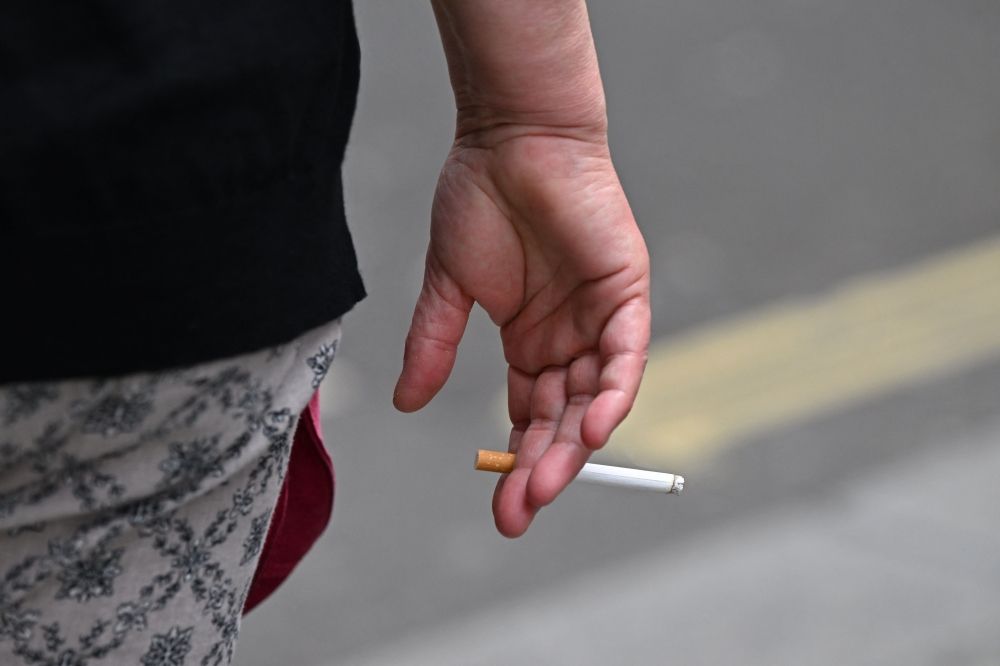
Nevin Al Sukari - Sana'a - Although the number of smokers is at its lowest level in more than a decade, the habit remains the leading cause of preventable deaths in Britain, with 80,000 annually according to the government. — AFP pic
LONDON, April 26 — Britain's parliament this week approved a bill to ban those aged 17 and under from ever legally buying tobacco products during their lifetime.
A first in Europe, the UK will be only the second country in the world to implement such a measure. Here are five things to know about the new landmark UK law.
What does it stipulate?
The Tobacco and Vapes Bill legally bars anyone born on or after January 1, 2009 from buying cigarettes and other tobacco products in the UK, even after they become adults.
It hands the government new powers to restrict the flavours and packaging of vapes and bans vaping in places where smoking is already banned, which is extended to children's playgrounds and areas near schools.
Often containing nicotine, these products are popular among young people, partly due to the array of flavours and brightly coloured packaging on offer, according to critics.
The government last June banned the sale of disposable vapes, which were cheap and also similarly marketed, while the new bill bans the advertising and sponsorship of all vapes and other nicotine products.
Why make the changes?
In 2024, the UK had around 5.3 million adult smokers, nearly 10 percent of the population, according to the Office for National Statistics (ONS).
Those aged 25-34 made up the highest proportion, the agency's figures showed.
Although the number of smokers is at its lowest level in more than a decade, the habit remains the leading cause of preventable deaths in Britain, with 80,000 annually according to the government.
A YouGov poll last year for the health charity Action on Smoking and Health found more than two-thirds of Britons support the so-called generational ban on tobacco sales.
The charity's chief executive Hazel Cheeseman called the move "really symbolically important" because it signals the aim "to phase out the legal sale of tobacco over the lifetime of somebody who's currently 17".
"And that's a kind of shift in mindset."
Cheeseman conceded it likely will not completely eliminate smoking among the cohort in the future, but expects it to "substantially decrease" rates.
When will it come into force?
The law will apply once the bill agreed by parliament earlier this week gets royal assent imminently.
The new rules will then take effect on different dates, some of which are still subject to consultation.
The ban on sales to young people born after 2008 will begin on January 1, 2027, the year in which they turn 18 and become adults.
Thereafter, the legal minimum age to buy tobacco will be raised annually by one year, first to 19 years old, then 20 and so on.
Christine Methnani, 66, a nurse in northern England, welcomed the law.
"Teenagers will never start to smoke" after facing peer pressure, she told AFP.
"I see a lot of people who come into the surgery trying to give up smoking, but it's because they've been pressured into it as young teenagers."
How will it be enforced?
Smokers themselves will not be penalised. But any retailer who sells tobacco or related products, such as rolling papers, to a person born after 2008 will be liable for a fixed fine of £200 (RM1,073).
Some opponents of the law have warned it risks creating a black market.
"Similar claims were made about previous tobacco control measures and were proven wrong," countered Alizee Froguel, policy manager at Cancer Research UK.
"It's a common argument by the industry, but time and time again, that hasn't happened," she told AFP.
But Froguel acknowledged it was "likely" the industry would mount a legal challenge, noting it has "done that for the previous landmark laws on smoking in the past".
What about globally?
According to the British government, the UK will be the second country in the world to implement a generational ban, after the Maldives.
The archipelago of 500,000 inhabitants in November banned the sale of tobacco to young people born after January 1, 2007.
In France, Green lawmaker Nicolas Thierry has introduced a cross?party bill to ban the sale of tobacco to anyone born after 2014.
Similar proposals have been put forward in the US states of Hawaii and Indiana.
New Zealand had been a pioneer, adopting plans for a ban for anyone born after 2008, but the centre-right National Party dropped the measure when it took power in 2023, before the ban had been implemented. — AFP
These were the details of the news UK’s smoke-free generation law: Five key questions for this day. We hope that we have succeeded by giving you the full details and information. To follow all our news, you can subscribe to the alerts system or to one of our different systems to provide you with all that is new.
It is also worth noting that the original news has been published and is available at Malay Mail and the editorial team at AlKhaleej Today has confirmed it and it has been modified, and it may have been completely transferred or quoted from it and you can read and follow this news from its main source.