We show you our most important and recent visitors news details Europe-led coalition weighs post-war mission to reopen Strait of Hormuz in the following article
Hind Al Soulia - Riyadh - PARIS —France and Britain gathered more than 40 countries in Paris on Friday to discuss a possible multinational mission to restore shipping through the Strait of Hormuz once fighting subsides.
The Europe-led coalition, which includes South Korea, Australia and Japan, is expected to announce the broad outline of a plan to resume navigation through the Strait away from both the US‑led pressure campaign and Iran’s leverage over the waterway.
Officials said the talks would focus on practical steps such as mine clearance, naval escorts, and support for commercial shipping, with Germany indicating it could contribute demining and reconnaissance vessels if there is an appropriate mandate. Some European countries have already sent vessels to the region.
Iran has largely closed the strait to ships other than its own since the start of US-Israeli airstrikes against it on February 28. On Monday, Washington imposed a blockade on ships entering or leaving Iranian ports.
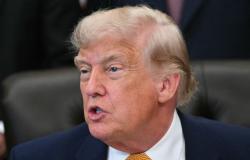
US President Donald Trump has called on other countries to help enforce the blockade and has criticized NATO allies for not doing so. Britain, France and others say joining the blockade would amount to entering the war, but they have said they would be willing to help keep the strait open once there was a lasting ceasefire or the conflict ended.
The initiative being discussed does not, for now, include the United States or Iran, though European diplomats said any realistic mission would ultimately need to be coordinated with both. Washington will be briefed on the outcome of the talks.
The continued closure of the Strait of Hormuz, first by Iran and now by the US, is set to trigger even more economic pain if efforts fail to secure a lasting ceasefire.
Indirect talks to extend the current ceasefire are ongoing, with some optimism that it can be extended beyond 22 April, when it is due to expire.
The White House feels “good about the prospects of a deal”, US Press Secretary Karoline Leavitt told journalists Wednesday in Washington.
Military strategists from NATO and other coalition members have been working on the plan for the last few weeks. The leaders spearheading the mission are resolute that the mandate will be "strictly defensive," and they are not prepared to enter into an expensive, hot conflict.
The Netherlands has sent frigates along with military personnel ahead of the rollout of a future operation.
“The aim is that we now move beyond planning, and preposition vessels in the region to be ready to act when the conflict subsides,” a NATO source told Euronews.
“But it’ll be on the defensive side of things, with vessels, sensors, radars and demining ships,” the source added.
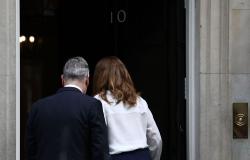
The meeting will take place in a hybrid format. Most countries will attend online, with UK Prime Minister Keir Starmer and German Chancellor Frederich Merz joining French President Emmanuel Macron at the Élysée Palace in person.
Chancellor Merz said Thursday that any German participation in a mission to secure the strait could occur only after "at the very least a provisional ceasefire" and approval by the government in Berlin and parliament.
"We are still a long way from that," he said.
NATO countries were initially adamant that the war was not their responsibility because they had not been consulted in advance. But they were pushed to come up with a plan to kick-start the strait's functioning after US Trump issued an ultimatum to NATO allies to have one “within days”.
Trump made his position clear to NATO Secretary General Mark Rutte during his official trip to Washington last week.
International shipping and global oil and gas prices have skyrocketed as a direct consequence of the blockade. Around 20% of the world’s oil is transported through the strait – a vital waterway located between Iran and Oman, connecting the Gulf with the Gulf of Oman.
However, Iran has allowed its own oil to be transported and has kept the passage open for some of its allies, China and Turkey.
These were the details of the news Europe-led coalition weighs post-war mission to reopen Strait of Hormuz for this day. We hope that we have succeeded by giving you the full details and information. To follow all our news, you can subscribe to the alerts system or to one of our different systems to provide you with all that is new.
It is also worth noting that the original news has been published and is available at Saudi Gazette and the editorial team at AlKhaleej Today has confirmed it and it has been modified, and it may have been completely transferred or quoted from it and you can read and follow this news from its main source.