
Hello and welcome to the details of What to know about cereulide, the toxin behind Nestlé, Danone and Lactalis baby formula recalls and now with the details
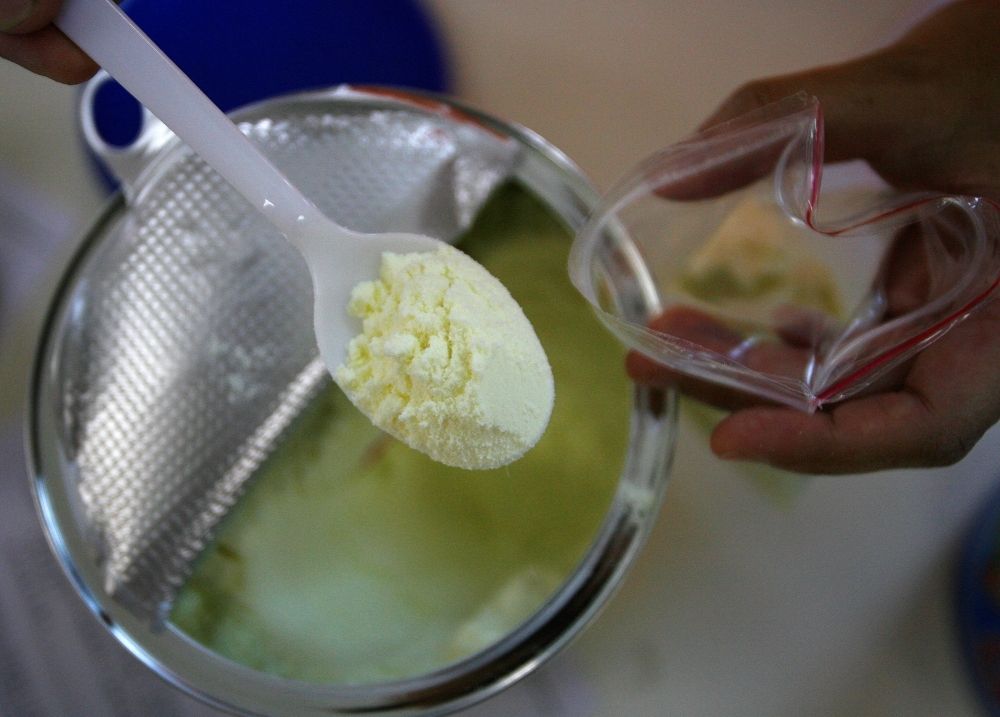
Nevin Al Sukari - Sana'a - Major dairy companies, including industry giants Nestle and Danone and privately held Lactalis, have issued precautionary recalls of infant milk powder over concerns it may be contaminated with the toxin cereulide. — Reuters pic
PARIS, Jan 27 — Major dairy companies, including industry giants Nestle and Danone and privately held Lactalis, have issued precautionary recalls of infant milk powder over concerns it may be contaminated with the toxin cereulide.
What is cereulide?
Cereulide is a toxin made by some strains of the common bacteria Bacillus cereus, which is widespread in the environment and in raw food materials.
Where is it found?
It forms in food when bacteria multiply, usually because cooked food was left out too long at room temperature.
It is often found in rice that has been cooked and then cooled, earning the related illness the informal name of “fried rice syndrome.”
However, it is also found in starchy food like pasta and potatoes, as well as dairy, seafood and vegetables if they are handled or stored poorly.
What are the symptoms?
People typically feel sick within 30 minutes to five hours after eating contaminated food. The main symptoms are nausea and repeated vomiting, sometimes accompanied by stomach cramps. Most people feel better within 24 hours. Severe but rare cases can include acute liver failure.
Why does reheating not resolve the issue?
Once cereulide is in food, normal cooking or reheating will not destroy it. The toxin is heat-stable, meaning it can survive temperatures that would usually kill bacteria.
How does it end up in infant formula?
Infant formula often includes oils containing arachidonic acid (ARA) to make it resemble breast milk. Bacillus cereus spores can survive in dry ingredients used for infant formula and, under certain conditions during ingredient handling or processing, may grow and produce cereulide.
Because the toxin is heat-stable, heat treatment will not destroy it, allowing it to remain in the finished formula.
Does it affect other food?
If cooked food cools slowly or is kept warm for hours, Bacillus cereus can grow and produce cereulide. Big pots of rice or pasta, or dishes kept on a warm stove or buffet, are common risk points. — Reuters
These were the details of the news What to know about cereulide, the toxin behind Nestlé, Danone and Lactalis baby formula recalls for this day. We hope that we have succeeded by giving you the full details and information. To follow all our news, you can subscribe to the alerts system or to one of our different systems to provide you with all that is new.
It is also worth noting that the original news has been published and is available at Malay Mail and the editorial team at AlKhaleej Today has confirmed it and it has been modified, and it may have been completely transferred or quoted from it and you can read and follow this news from its main source.