We show you our most important and recent visitors news details Leaked Iran-US deal outlines oil exports, Hormuz reopening and sanctions relief in the following article
Hind Al Soulia - Riyadh - TEHRAN — Iran will take steps to reopen the Strait of Hormuz immediately after signing a tentative agreement with the United States to end the war, while gaining the ability to sell its oil without restrictions, according to leaked copies of an interim accord that officials say broadly match the final document.
The agreement, expected to be signed in Switzerland on Friday, outlines a 60-day negotiating period focused on Iran's nuclear program and includes provisions for economic relief and postwar reconstruction.
According to the leaked documents, Iran could receive at least $300 billion for rebuilding efforts following the conflict. The accord also envisages US support for ending American and United Nations sanctions on Tehran if a final agreement on Iran's nuclear activities is reached.
The United States and Israel launched military operations against Iran on Feb. 28, citing concerns over Tehran's nuclear ambitions. The interim agreement halts the conflict before a comprehensive nuclear settlement is secured and instead opens a new round of negotiations.
The leaked terms suggest that Washington would immediately allow Iran to resume unrestricted oil exports through sanctions waivers, while broader sanctions relief would be tied to progress in future talks.
The proposed measures appear to go beyond the terms of the 2015 nuclear agreement, which lifted some sanctions only after Iran agreed to limit uranium enrichment and reduce its stockpile.
The accord is also expected to restore conditions that existed before the conflict, including reopening the Strait of Hormuz and restarting formal negotiations between Washington and Tehran.
It further calls for an end to hostilities in Lebanon between Israel and the Iran-backed Hezbollah group, although questions remain over the future of Israeli military deployments in Lebanese territory.
Several officials familiar with the discussions told media outlets that versions of the agreement published by Al Arabiya and Bloomberg broadly reflect the final text.
However, neither Washington nor Tehran has officially released the document.
White House Communications Director Steven Cheung said a version published by CNN “does not reflect the language of the actual” agreement, without providing additional details.
Iran's semi-official Tasnim news agency also claimed that published versions were incomplete but did not release an alternative text.
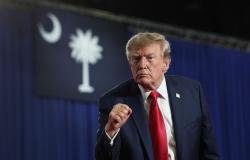
Speaking at the G7 summit in France, President Donald Trump praised the agreement but indicated it remained conditional.
“Nobody knows what it is, but it’s very strong,” Trump said.
He also warned that the deal could be abandoned if it fails to meet expectations.
“It’s a memorandum of understanding and if I don’t like it, we’ll go back to shooting at them, dropping bombs,” he said.
Officials involved in mediation efforts said some benefits, including the release of frozen assets and broader sanctions relief, would be phased in and linked to progress during the 60-day negotiating period.
The agreement would also provide significant relief to global energy markets through the reopening of the Strait of Hormuz, a strategic waterway through which a large share of the world's oil and natural gas trade passes.
The strait's closure during the conflict contributed to higher global energy prices and disruptions to international shipping.
Under the proposed framework, the US would also lift restrictions on Iranian ports, while maritime traffic through the strait would gradually return to prewar levels within 30 days.
The interim accord leaves several major issues unresolved, including long-term limits on Iran's nuclear program.
Iran maintains that its nuclear activities are peaceful and reiterated in the agreement that it will never seek to develop a nuclear weapon, a commitment similar to one made under the 2015 nuclear accord.
These were the details of the news Leaked Iran-US deal outlines oil exports, Hormuz reopening and sanctions relief for this day. We hope that we have succeeded by giving you the full details and information. To follow all our news, you can subscribe to the alerts system or to one of our different systems to provide you with all that is new.
It is also worth noting that the original news has been published and is available at Saudi Gazette and the editorial team at AlKhaleej Today has confirmed it and it has been modified, and it may have been completely transferred or quoted from it and you can read and follow this news from its main source.