Hello and welcome to the details of ‘It’s very difficult to live’: Iran war leaves crisis‑scarred countries counting the costs and now with the details
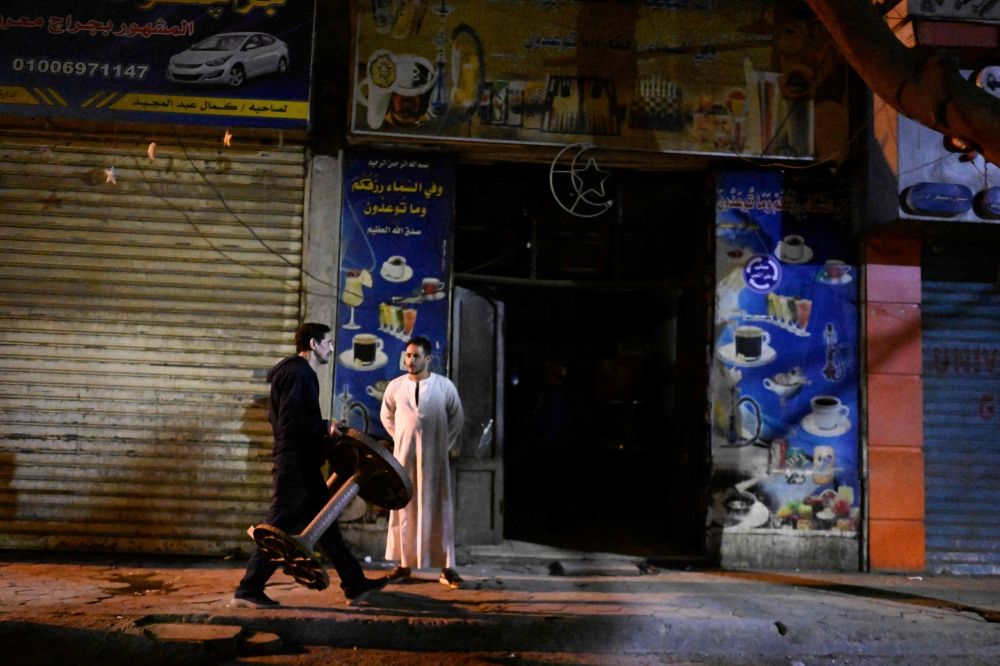
Nevin Al Sukari - Sana'a - A waiter removes a table as they prepare to close their roadside cafe in downtown Cairo on April 2, 2026. Egypt has ordered shops, restaurants and shopping malls to close from 9pm from April 3, hoping to curb energy bills that have more than doubled because of the Iran war. — AFP pic
- Rising oil and gas prices and currency strains worsen economic woes in Sri Lanka, Egypt, Pakistan
- IMF has signalled readiness for US$20-50 billion (RM79-RM198 billion) of emergency support ahead of meetings next week
- Locals face surging costs, fuel rationing and mounting pressure on livelihoods
LONDON, April 11 — Sanoj Weeratunge thought this would finally be the year his tour firm put Sri Lanka’s spate of crises behind it. Then the Iran war erupted 2,700 miles (4,345km) away, the government hiked fuel prices by 35 per cent and business slumped almost a third.
“We have had a very difficult road over the past six years to recover and were very hopeful that this would finally be the year where we reach pre-Covid levels,” Weeratunge said from his office in Colombo. “But now this economic shock will affect us.”
Sri Lanka, like Egypt and Pakistan, belongs to a group of crisis-scarred, lower-income countries that analysts fear have been thrust back towards trouble as the energy imports on which they rely become more expensive due to the war.
Despite this week’s fragile ceasefire in the Gulf, Colombo has reintroduced fuel subsidies and negotiated a temporary easing of the terms of its International Monetary Fund bailout to give itself some breathing space. There are likely to be other countries trying to do the same next week in Washington, at the IMF and World Bank spring meetings.
The IMF is ready to listen and expects to have to provide between US$20 billion to US$50 billion of emergency support due to the crisis, chief Kristalina Georgieva said on Thursday.
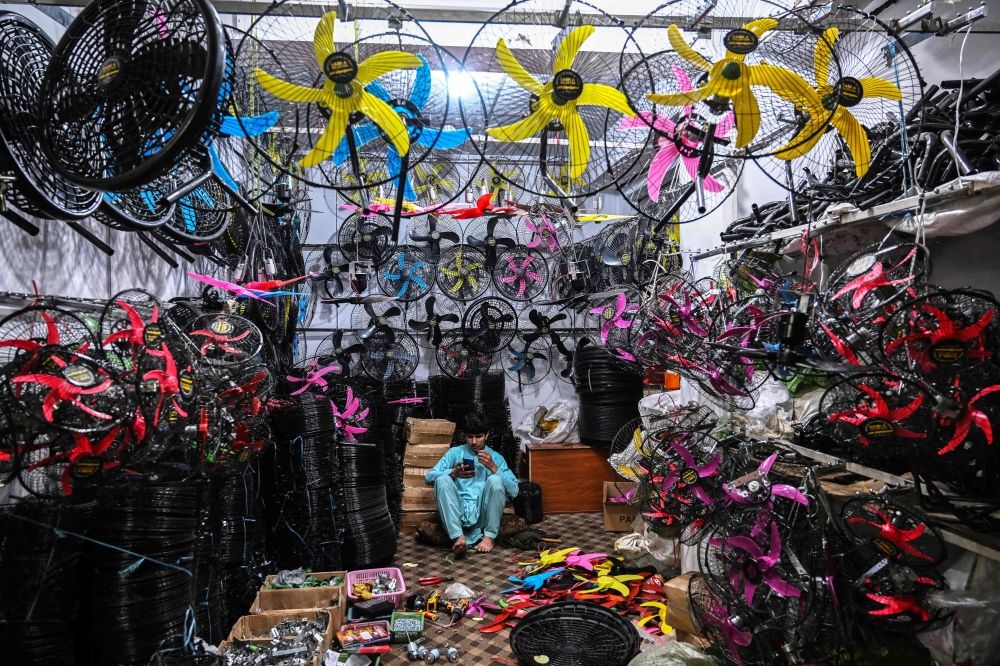
This photograph taken on April 4, 2026 shows a shopkeeper selling fans awaiting customers at a market in Rawalpindi as Pakistan faces energy supply chain disruptions amid the Middle East war. — AFP pic
Help wanted
Former Pakistan central bank governor Reza Baqir, who now advises governments in debt distress, says the conflict has hit vulnerable countries from almost every angle.
The 40 per cent surge in oil prices means import bills are soaring just as remittances from expats in the Gulf look likely to fall and economies in general get squeezed.
As current account deficits widen and currencies come under strain — Egypt’s pound has plunged over 10 per cent since the war — dollar-denominated oil, food, fertiliser and debt payments become even more costly.
That then has to be covered with foreign currency reserves, more borrowing or by slashing other imports.
What is needed, Baqir said, is “a credible statement from institutions like the IMF and others that they are ready to backstop these countries. And I think the sooner, the better”.
Pakistan’s reserves stood at US$16.4 billion on a gross basis at the end of March. That is not enough to cover three months of basic imports, but JPMorgan says the amount is actually negative if the central bank’s foreign currency liabilities are factored in.
Petrol prices there were just hiked for the second time and schools closed for half of March. Meanwhile, government departments were on a four-day week — and now banned from buying new furniture or air conditioners.
Islamabad’s latest worry, though, is that it will have to repay a US$3.5 billion loan from the United Arab Emirates. If it cannot roll it over, its finances will be under even more strain, given its US$7 billion IMF programme, former fund official Jeff Franks said.
“I’m sure for Pakistan and Egypt, if they get to meet with the managing director or other top IMF officials next week, they will be stressing just how bad this shock is for stability,” Franks said.
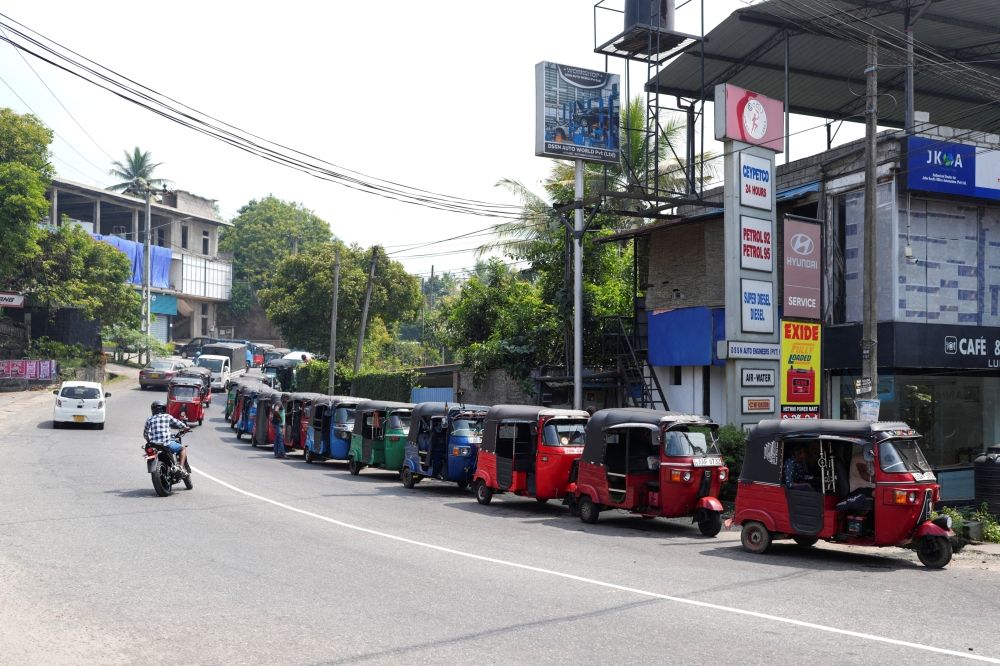
Vehicles queue at a fuel station, as concerns grow over fuel supply following US-Israel conflict with Iran, in Ratnapura, Sri Lanka, March 2, 2026. — Reuters pic
“Difficult to manage”
As in Sri Lanka, the rising prices have made locals in traditionally volatile Pakistan and elsewhere unhappy.
“Everything has become expensive,” Maviq Hussain, a food delivery driver in Karachi, said. “It’s difficult to manage daily expenses.”
For Egypt, there’s also the hit to tourism, which brought in US$19 billion last year. Not to mention the potential impact on the Suez Canal and an enormous debt burden — which had already been expected to absorb 60 per cent of revenues this year.
The near-US$30 billion of payments due add up to more than half of Egypt’s foreign-exchange reserves. Around US$8 billion of foreign investor money has already fled since the war started, Moody’s noted last week.
The IMF has praised Cairo’s decision to allow the currency to act as a “shock absorber”. But the doubling of Egypt’s energy import bill means crisis veterans expect it might be one of the busier countries in Washington next week.
“It is in no one’s interest to be rigid in the conditionality and allow these countries to fail,” Franks said.
On the streets, crisis-weary locals just hope the pressure eases.
Kelum Dissanayaka, a 37-year-old Sri Lankan father of three, begins work as a ride-hailing and delivery app driver at 4 am, but spiralling costs and fuel rationing mean he has had to skip his tuk-tuk’s leasing payment two months running.
“It’s very difficult to live,” he said. — Reuters
These were the details of the news ‘It’s very difficult to live’: Iran war leaves crisis‑scarred countries counting the costs for this day. We hope that we have succeeded by giving you the full details and information. To follow all our news, you can subscribe to the alerts system or to one of our different systems to provide you with all that is new.
It is also worth noting that the original news has been published and is available at Malay Mail and the editorial team at AlKhaleej Today has confirmed it and it has been modified, and it may have been completely transferred or quoted from it and you can read and follow this news from its main source.