Hello and welcome to the details of Explainer: What Trump’s Insurrection Act threat means for US protests and now with the details
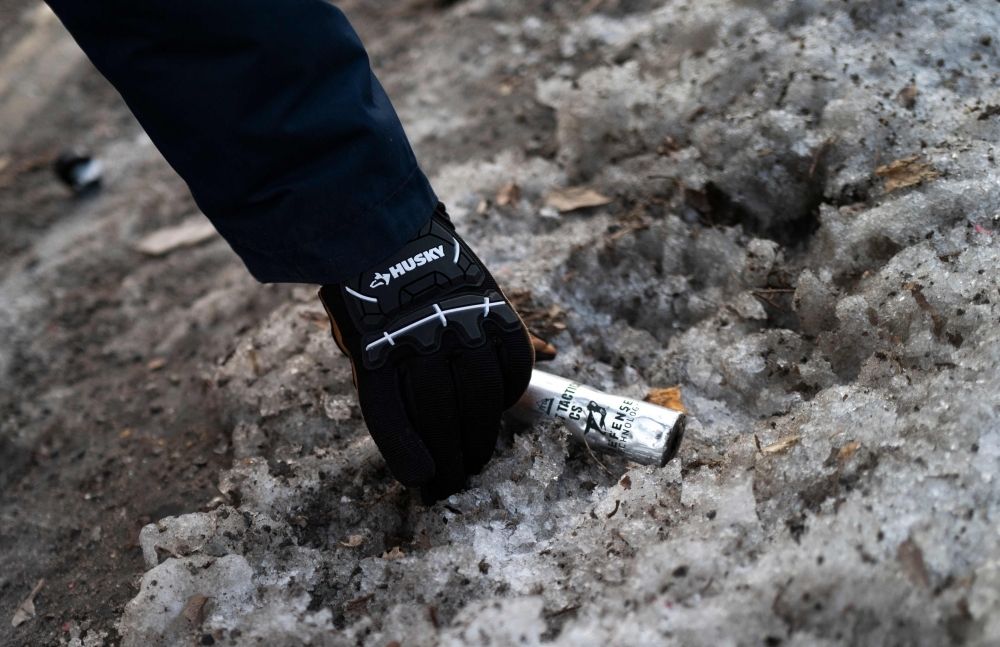
Nevin Al Sukari - Sana'a - A community member picks up a container of CS gas near the site where a shooting by federal agents occurred last night on January 15, 2026 in Minneapolis, Minnesota. — AFP pic
(New users only) Unlock 4%* + 10%* p.a. promo rate for 3 months and enjoy FREE RM10 & when you sign up using code VERSAMM10 with min. cash of RM100 today! T&Cs apply.
WASHINGTON, Jan 16 — President Donald Trump threatened on Thursday to invoke the “Insurrection Act” to quell protests over federal immigration raids in the northern US state of Minnesota.
Here is a look at what the act entails and its previous use:
Insurrection Act
The Insurrection Act allows for domestic deployment of the US military for civilian law enforcement purposes such as conducting searches and making arrests.
Trump has threatened to invoke it in response to protests against his mass deportation drive not only in Minnesota but also in other Democratic-ruled states – California, Illinois and Oregon.
Intermittent and sometimes violent protests have occurred in the states when Trump has launched targeted “surges” of federal agents, including from Immigration and Customs Enforcement (ICE).
“If the corrupt politicians of Minnesota don’t obey the law and stop the professional agitators and insurrectionists from attacking the Patriots of ICE, who are only trying to do their job, I will institute the INSURRECTION ACT,” he said in a Truth Social post on Thursday.
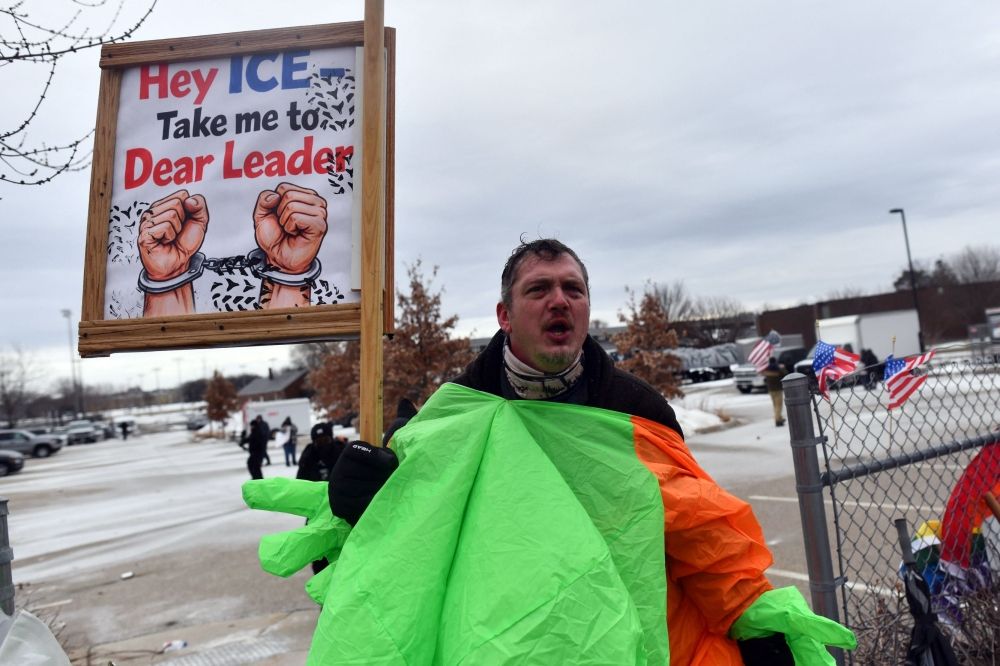
A protester holds a sign during a demonstration against ICE outside the Bishop Whipple Federal Building in Minneapolis, Minnesota, on January 15, 2026. — AFP pic
Posse Comitatus
Using the US military domestically to conduct law enforcement activities is normally barred by another law, the 1878 Posse Comitatus Act.
The Insurrection Act lets a president sidestep the Posse Comitatus Act to suppress “armed rebellion” or “domestic violence” and use the armed forces “as he considers necessary” to enforce the law.
Past use
The Insurrection Act has been invoked by US presidents about 30 times previously but rarely in recent history, according to the Brennan Center for Justice at the New York University School of Law.
It was enacted in 1792 but the current version dates to 1807.
America’s first president, George Washington, used it to put down state rebellions against federal authority and president Abraham Lincoln relied upon it at the start of the 1861-65 Civil War.
The Insurrection Act was most recently invoked by president George H.W. Bush at the request of California’s governor to help put down riots in Los Angeles in 1992 that followed the acquittal of police officers involved in the beating of a Black motorist, Rodney King.
It was used by president Lyndon Johnson in 1968 to quell riots that broke out in the nation’s capital and other cities following the assassination of civil rights leader Martin Luther King Jr.
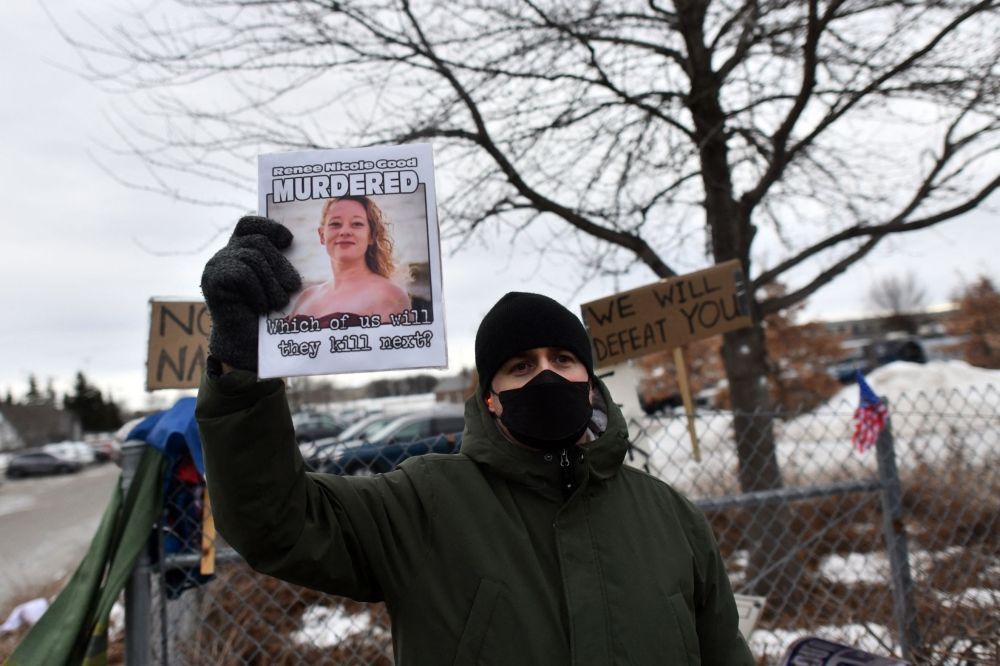
A demonstrator holds a sign with a photo of Renee Nicole Good, whose death at the hands of a US ICE agent, has reignited protests against Trump across the country. — AFP pic
National Guard deployments
Trump separately relied on a seldom-used law known as Title 10 to send National Guard troops to Los Angeles last year against the wishes of California’s Democratic governor, Gavin Newsom.
Title 10 permits National Guard federalization in times of “a rebellion or danger of a rebellion” against government authority, but does not give the troops the powers to perform domestic law enforcement duties.
Trump’s bid to deploy the National Guard to another city, Chicago, suffered a setback last month when the Supreme Court ruled he had “failed to identify a source of authority that would allow the military to execute the laws in Illinois.”
The Supreme Court rebuff was a rare defeat for Trump at the top court, where conservatives hold a 6-3 majority. — AFP
These were the details of the news Explainer: What Trump’s Insurrection Act threat means for US protests for this day. We hope that we have succeeded by giving you the full details and information. To follow all our news, you can subscribe to the alerts system or to one of our different systems to provide you with all that is new.
It is also worth noting that the original news has been published and is available at Malay Mail and the editorial team at AlKhaleej Today has confirmed it and it has been modified, and it may have been completely transferred or quoted from it and you can read and follow this news from its main source.